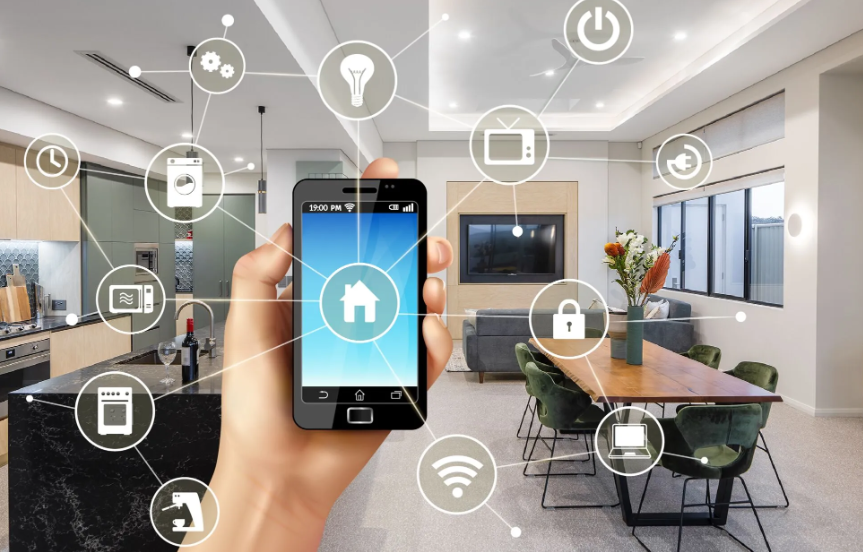

The emergence of smart homes represents a significant shift in how people interact with their living spaces. This technology promises advantages like improved energy efficiency and tailored environments. Yet, it also presents challenges, including interoperability issues and privacy concerns that can deter users. Understanding these complexities is essential for navigating the future of smart homes. What steps can be taken to harness their full potential while addressing these crucial challenges?
The Advantages of Smart Home Technology
Leveraging advanced technology, smart homes offer a multitude of benefits that enhance daily living.
Energy efficiency stands out as a primary advantage, allowing homeowners to minimize consumption and reduce costs.
Additionally, convenience features streamline daily tasks, ensuring effortless control over home systems.
Together, these elements foster a lifestyle that promotes autonomy, empowering individuals to tailor their environments to suit personal needs and preferences.
See also: The Pros and Cons of Artificial Intelligence
Common Challenges and Concerns
While the benefits of smart home technology are apparent, several common challenges and concerns warrant careful consideration.
Interoperability issues often arise when devices from different manufacturers fail to communicate effectively, hindering seamless integration.
Additionally, user adoption can be slow, as some individuals may feel overwhelmed by the complexity of setup and operation, ultimately limiting the potential of smart home innovations to enhance everyday living.
Addressing Privacy and Security Issues
The increasing integration of smart home technology brings forth significant concerns regarding privacy and security.
Ensuring robust data encryption is crucial to protect sensitive information from unauthorized access.
Moreover, obtaining user consent for data collection and usage fosters transparency and empowers individuals to maintain control over their personal data.
Addressing these issues is paramount for a secure and trustworthy smart home environment.
The Future of Smart Homes and Accessibility
As smart home technology continues to evolve, its potential to enhance accessibility for individuals with disabilities becomes increasingly evident.
Innovations in assistive technology, coupled with principles of inclusive design, promise to create environments that empower users. By integrating intuitive controls and automated systems, smart homes can foster independence, enabling individuals to navigate their spaces with greater ease and confidence.
Ultimately, this transformation can significantly improve quality of life.
Conclusion
In the evolving landscape of smart homes, technology serves as both a guiding star and a labyrinthine maze. While the shimmering benefits of energy efficiency and personalized living beckon homeowners, shadows of interoperability and privacy concerns linger. To truly harness the potential of smart homes, stakeholders must navigate these complexities with care, ensuring that innovation illuminates the path toward sustainability and security. Ultimately, a harmonious balance will transform houses into thriving ecosystems, fostering a future where comfort and safety coexist seamlessly.